When sales slow in a particular section, many retailers assume they need more inventory. In reality, the problem is often visibility rather than selection. Customers can’t buy products they don’t notice.
A well-stocked section can still underperform if the presentation makes browsing difficult.
More Products Doesn’t Always Mean More Sales
One of the most common merchandising mistakes is trying to show every available item at once.
The result is usually:
- crowded displays
- visual clutter
- products blending together
- customers feeling overwhelmed
Instead of encouraging browsing, the display creates friction. Shoppers scan quickly and move on.
Create Natural Focal Points
Every section should have products that immediately draw attention.
These featured items help customers understand the category and encourage them to explore further. Without focal points, everything competes for attention equally, which often means nothing stands out.
This is especially important in stores carrying multiple brands or product lines.
Visibility Should Drive the Layout
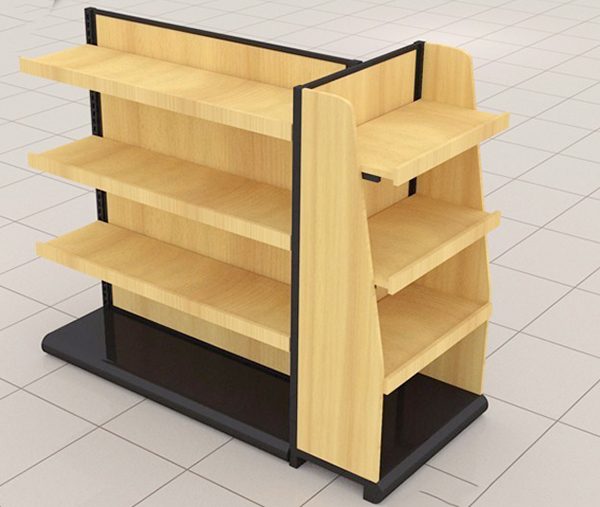
Products should be positioned based on how customers actually shop.
Best-selling items, new arrivals, and higher-margin merchandise should generally be easier to spot than slower-moving inventory. Yet many retailers arrange products purely based on stock levels or convenience.
Well-organized display retail shelves help create a hierarchy within a category, allowing key products to stand out while still keeping the overall section easy to browse.
Eye-Level Space Is Valuable
Not all shelf space performs equally.
Items positioned at eye level typically receive the most attention. Lower shelves and upper shelves still serve a purpose, but they often work better for supporting inventory rather than featured products.
Using shelf height strategically can improve visibility without adding any new fixtures.
Avoid Creating Visual Walls
Long stretches of identical shelving can become background noise.
Customers tend to lose focus when every section looks exactly the same. Small changes in presentation, product grouping, or display structure can help break up the monotony and keep shoppers engaged as they move through the store.
Keep Categories Easy to Understand
Customers should never have to guess what a section contains.
Clear organization helps shoppers browse with confidence and find products faster. If categories overlap too heavily or products are grouped inconsistently, people often abandon the search rather than continue looking.
Simplicity usually wins.
Refresh Displays Periodically
Even strong displays lose effectiveness over time.
Regular customers stop noticing sections that never change. Rotating featured products, updating layouts, or adjusting product placement can bring attention back to areas that have become familiar.
These updates don’t need to be dramatic. Small changes often have the biggest impact.
Think Like a Customer
Store owners and staff know where everything is located. Customers don’t.
Walking the sales floor from a shopper’s perspective often reveals issues that aren’t obvious during daily operations. If products are difficult to locate, compare, or understand, the layout likely needs adjustment.
What This Comes Down To
Successful merchandising isn’t about fitting more products onto the floor. It’s about making products easier to see, understand, and compare.
When displays are organized around customer behavior instead of storage capacity, browsing becomes easier—and easier browsing often leads to better sales results.